Residential window tinting in Ottawa, for the rooms you avoid
Every house has a room that is too bright, too hot or too exposed at the wrong time of day. Home window film fixes that without blinds that stay shut all summer, and without losing the view. The trick is choosing the right film for each window, not the darkest film for all of them.
At a glance
- Good for
- Heat, glare, fading, privacy and winter comfort
- Films
- Clear solar, low-E, frosted, decorative, safety
- UV
- Quality films block 99% or more
- Takes
- From an hour to a day, by number of windows
- First step
- Which windows, which way they face, and why
What residential window tinting can do for an Ottawa home
Residential window tinting, or home window film, is a thin, nearly invisible layer applied to the inside of your existing windows. Depending on the film, it can cut the heat coming through the glass, the glare on screens and floors, the fading of hardwood, rugs, leather and art, and the view in from the street. Some films also keep a room warmer in winter, and some help hold glass together if it breaks.
Ottawa homes have a particular set of window problems. Summers are hot and bright, and many houses built since the 1990s have big south- and west-facing glass, great rooms with two storeys of windows, and patio doors facing the back yard. Winters bring a low sun that shines deep into rooms and bounces off the snow, and older homes in Nepean, Alta Vista or Orleans often still have their original double-pane windows, which lose a lot of heat.
Film does not replace good windows, and an honest installer will not pretend it does. What it does very well is solve the specific problem a specific window is causing, for a fraction of what replacing that window would cost, and with almost no change to how the house looks from inside or out.
Home window film, by the problem it solves
There is no single "home tint". These are the main families of home window film and what each is for.
Which windows to film first
The sun does not treat every side of a house the same, and that is the most useful thing to know before buying window film. In Ottawa, at about 45 degrees north, the summer sun rises in the northeast, climbs to roughly 68 degrees above the horizon at midday, and sets in the northwest. In late December it rises in the southeast, reaches only about 21 degrees at noon, and sets in the southwest.
That makes west-facing glass the summer problem. By two or three in the afternoon the sun is low enough to come straight in under any overhang, at the hottest part of the day. East windows get the same low sun in the morning, when it is cooler but brighter than many people would like in a bedroom. South glass takes the most sun over a year, but in summer the sun is so high that a roof overhang shades much of it; in winter, the low sun comes deep into the room, which is welcome warmth and also the worst glare of the year. North windows rarely need solar film at all.
So the usual plan is: west and southwest glass first, with a solar film chosen for heat; south glass where glare or fading is the problem; east bedrooms if early light is; and north windows only for privacy or insulation. The sun tool on the main page shows where the sun is over Ottawa at any hour and date, and which sides of a house it is hitting.
Window film and your glass: what to check first
Window film works by absorbing or reflecting part of the sun's energy, and the part it absorbs warms the glass. On most windows that is not a problem. On some, a film that absorbs a lot of heat can make the glass run hot enough to raise the stress on it, or on the seal of a double-pane unit. That is called thermal stress, and it is the reason to choose film by the glass, not just by the look.
The risk is higher with large panes, with glass that is already tinted or has a low-E coating, with windows that are partly shaded (one half hot, one half cool), and with dark or highly absorbing films. It is lower with clear or reflective films and smaller windows.
Film makers publish guidance on which of their films suit which kinds of glass, and many back approved combinations with a warranty that covers the glass or the seal. Window makers have their own warranties, and some exclude aftermarket film. Before any film goes on your home, check your window warranty, and ask which films are approved for your glass. Those two questions avoid nearly every problem.
Before film goes on your windows
- Glass type
- Single pane, double or triple pane, tinted, low-E, laminated or tempered.
- Size and shading
- Large panes and windows half in shade carry more thermal stress.
- Window age and warranty
- Newer windows may have a warranty with conditions about film.
- Which way it faces
- West and south glass need different films from north and east.
- What you want
- Heat, glare, fading, privacy or winter comfort; usually one or two matter most.
An installer should ask these before recommending a film. If one does not, ask them yourself.
Winter comfort: what low-E window film does
Most people think of window film as a summer product. In Ottawa, where heating season runs most of the year, a low-E insulating film can be the more useful one. Low-E stands for low emissivity: a microscopically thin coating that reflects radiant heat. On the inside of a window, it sends heat from the room back into the room instead of letting it escape through the glass.
Natural Resources Canada describes factory low-E coatings as able to cut heat loss in winter and heat gain in summer by up to half in some cases. A low-E film brings some of that benefit to windows that do not have it, typically older double-pane units. The difference people notice most is comfort: the glass is less cold to sit next to, and rooms with a lot of glass feel less drafty.
Low-E film is not right for every window, and it is no substitute for replacing windows that have failed seals or rotting frames. But for sound older windows, it is one of the few upgrades that helps in January and July both.
Privacy at home, day and night
Privacy is the second most common reason people call about residential window tinting, and it is the one where the wrong film disappoints most.
Reflective "one-way" films look like a mirror from outside during the day, and from inside you see out normally. They work because it is brighter outside than inside. After dark, with the lights on indoors, the situation reverses: the street can see in, and you see your own reflection. For a living room that faces the street, that means curtains still matter in the evening.
For privacy that works around the clock, frosted, etched-look and decorative films are the answer. They blur the view both ways while letting light through, which makes them ideal for bathrooms, front door glass and sidelights, basement windows at sidewalk level, and the lower half of a street-facing window with the top left clear. Try the day and night privacy tool to see the difference.
How home window film is installed
Installing film on a house is cleaner and quieter than most people expect. Nothing is removed from the window, and most rooms are usable again the same day.
Look at the windows
Each window's glass type, size, direction and shading is noted, along with what you want it to do. Samples are held up to the actual glass.
Choose the film
Usually one or two films for the house, chosen to suit the problem windows and the glass, with the maker's guidance checked for each.
Protect and clean
Floors and sills are covered, the glass is cleaned and scraped to the edges, and the gasket edges are wiped dry.
Apply
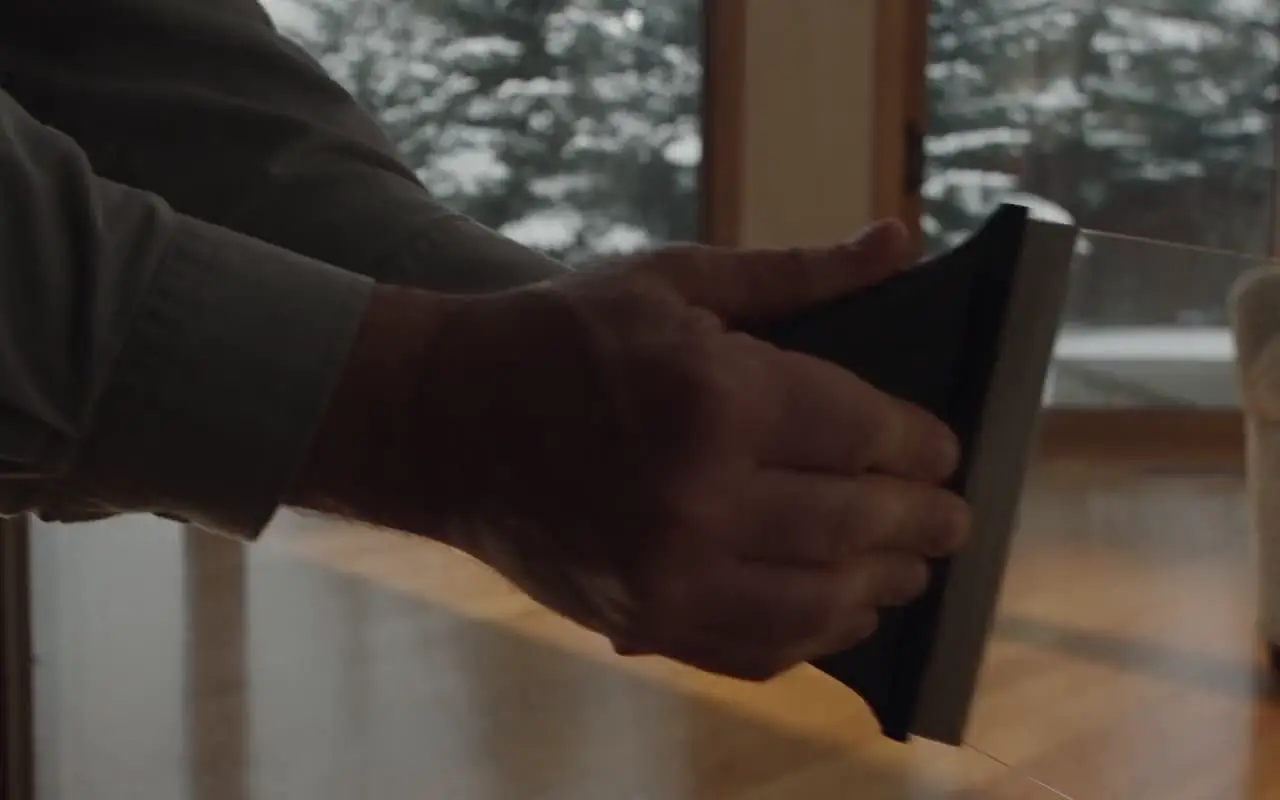
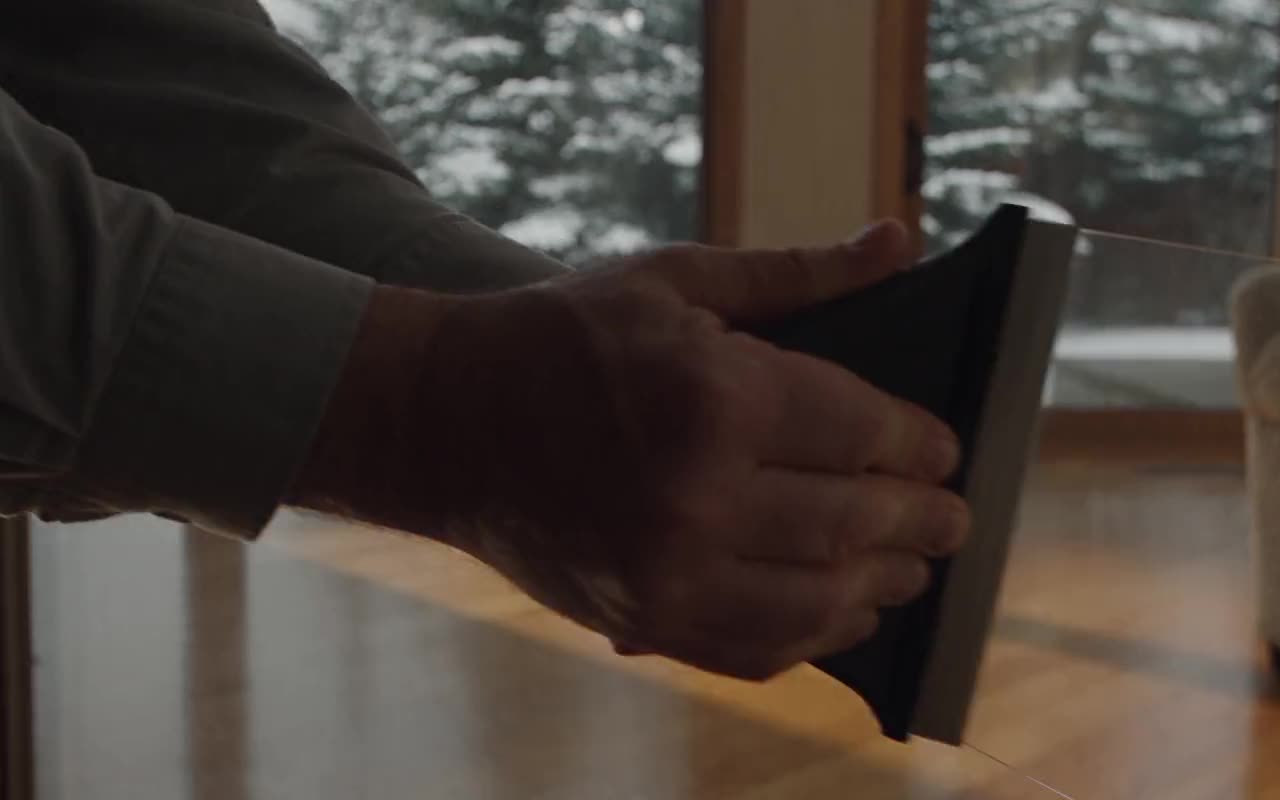
Film is cut slightly oversize, laid with a slip solution, squeegeed from the centre out, then trimmed to leave a hair-thin gap at the edges.
Cure
Water left under the film evaporates over days or weeks, faster in sun. Small hazy patches clear on their own. Wait a month before cleaning the glass.
Day and night privacy
Who can see through it?
Window film does not give the same privacy at every hour. Pick the film and the time, and see the window from the street.
The film
The time
Rooms where home window film earns its keep
Every house is different, but these are the rooms that bring most people to the phone.
Window film or new windows?
People often ask whether they should film their windows or replace them. The answer depends on the windows. If the frames are sound, the seals are intact and the problem is sun, heat, glare, fading or privacy, film solves it for far less than replacement and can be done in a day. If the windows are failing, with fogged double panes, rotting frames or drafts around the sash, film will not fix those, and replacement is the honest recommendation.
There is a middle case too: windows that are sound but old, and simply not very efficient. That is where low-E film earns its place, as a way to improve comfort for a fraction of the cost of new windows, often for years until replacement makes sense.
Residential window tinting in condos and townhouses
Condos in Centretown, Westboro, Little Italy and along the river often have floor-to-ceiling glass on one or two sides, and when that side faces south or west it can make a unit too hot to use in the afternoon. Window film is one of the few changes a condo owner can make that addresses it directly.
Condos come with rules, though. Many buildings control how windows look from outside, so a reflective or dark film may need the board's approval, while a clear film usually does not change the outside at all. Check your building's rules, or ask the property manager, before you book. If an approval request needs film specifications, they can be provided.
Questions people ask
Does home window film really reduce heat?
Yes. Solar control films turn back part of the sun's heat before it enters the room, and spectrally selective films can do it while looking nearly clear. How much depends on the film and the shade; each film's maker lists its total solar energy rejected.
Will window film make my house dark?
Only if you choose a dark film. Clear and light films, including heat-control films, change the view very little. Most homes use light films on the problem windows.
Can window film damage my windows?
The wrong film on the wrong glass can raise thermal stress, especially on large, tinted or low-E double-pane units in full sun. Choosing a film approved by its maker for your glass, and checking your window warranty, avoids that.
Does window film help in winter?
Low-E window film reflects heat from the room back inside, which makes older windows feel less cold and reduces heat loss. Most other solar films are aimed at summer heat and glare.
Does window film stop fading?
It slows it a great deal. Quality films block 99% or more of UV and some also cut visible light and heat, which cause fading too. No film stops fading completely.
Can people see in at night with window film?
With reflective one-way film and the lights on inside, yes. For privacy at night, use frosted or decorative film, or curtains after dark.
How do I clean window film?
Wait about a month after installation, then use a soft cloth or rubber squeegee with a mild, ammonia-free cleaner. Avoid abrasive pads and blades on the film.
More from Ottawa Window Tinting
For the full picture, from Ontario's tint rules to the types of film, see the main page for window tinting in Ottawa, or go straight to a service.
Tell us what you want to tint
613-851-7831Call for the quickest answer, or send the form. You will get a call back with a recommendation, the film options and a price.